
|
Haein Song Quiet Unmaking Un—Folded Whole Light / Folds Pain Memory Marking Colour A Brief History of... *** Advice to a Painter Laudes Creaturarum Topiary Les Climats Queen Mary's Dolls' House Winter's Tale The Fragments of Parmenides The Botanical City Ornamental Digressions Hungry Bibliophiles Interstices & Intersections Perpetua and Felicity In Principio La Prose du Transsibérien Re-creation Dickinson's Selected Poems Bram de Does Russian Modernism Beckett's Trilogy The Songlines Linear A to Linear Z A Bend in the River Mr. Palomar Journey Round My Room The Myth of Sisyphus Romeo and Juliet The Periodic Table The Trial Gogol's Collected Stories Brush Up Your Shakespeare Just So Stories Le Grand Meaulnes Whistler Don't Look Now *** Three Plays of the Absurd Nine Books of the Absurd *** About |
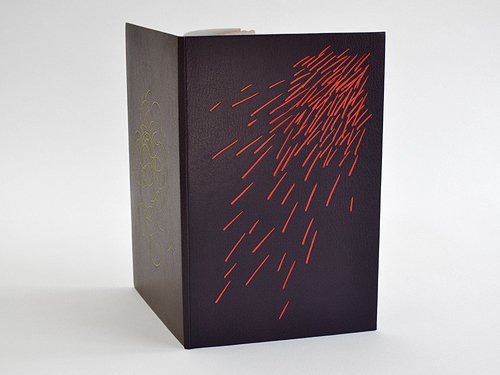 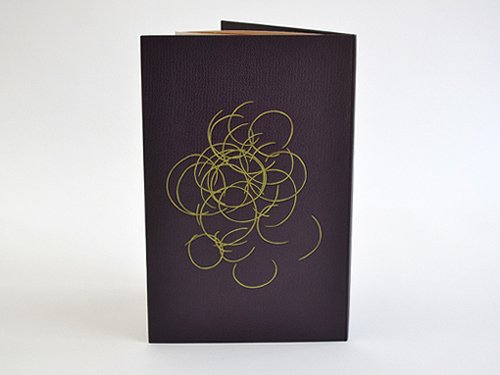 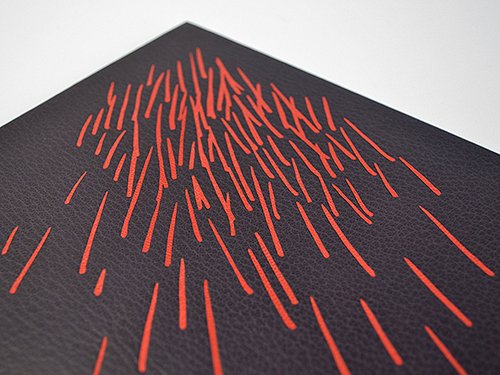 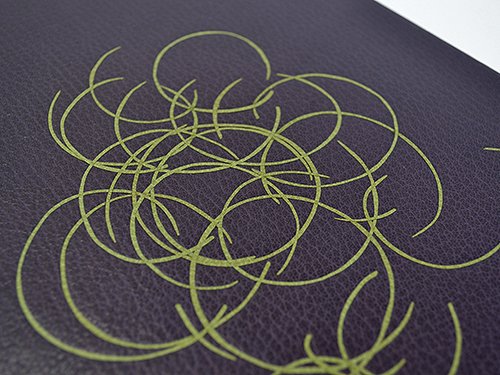 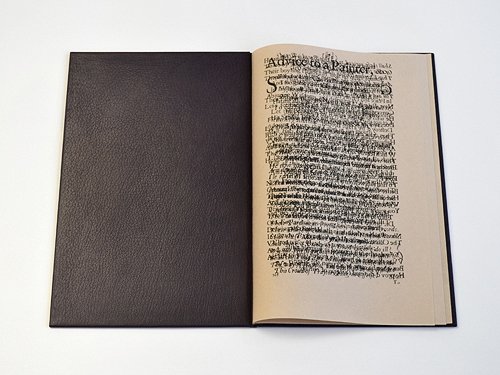 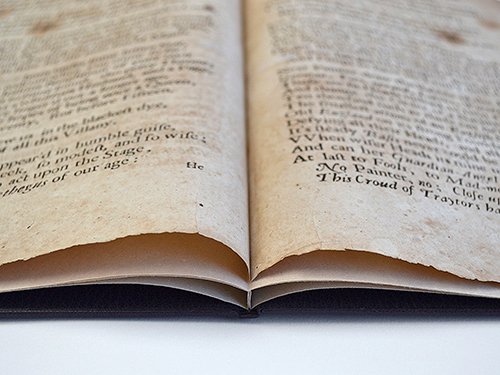 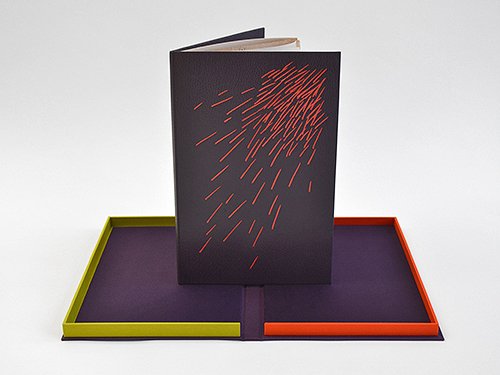 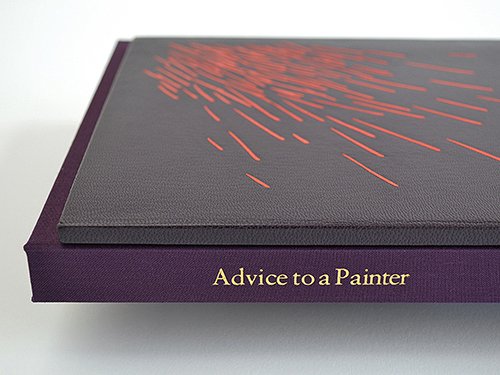 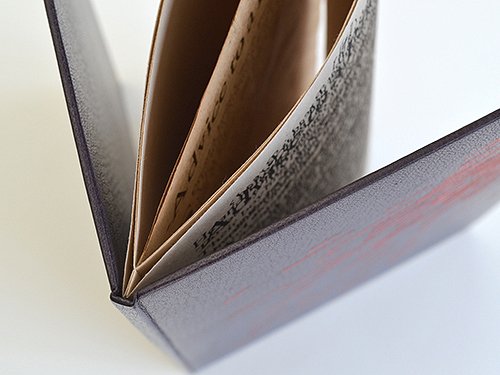 Advice to a Painter by Henry Savile Bound in 2025 Circa 1679 304 x 198 x 10 mm Full leather binding in blackberry goatskin with back-pared onlays in red and green goatskin. Leather joints and doublures are in the same shade. The endpapers are printed from photopolymer etching plates on 65gsm Genet by Paper Foundation, selected to closely match the colours of the broadside. The broadside is guarded with hand-coloured Japanese tissue and pasted to a section made from the same paper (65gsm Genet), which is then sewn onto the stub. Advice to a Painter is a satirical poem that critiques the political and religious tensions of 17th-century England, particularly warning against the rise of Catholic influence. Attributed to Henry Savile, it was published anonymously. The design and colours were inspired by the emotions in the poem, beginning with suspicion, anxiety, and distrust, reflecting the tense political and religious climate (front cover), and concluding with cautious hope and confidence that these challenges can be faced and overcome (back cover). The endpapers layer all four pages of the poem to create a textured, almost abstract image, symbolising the power and complexity of the words and reflecting the poem's satirical tone and anonymous publication. Private Collection, UK |